Full Mouth Dental Implants in Turkey | Complete Guide
Full Mouth Dental Implants in Turkey: A Complete Guide
Full mouth dental implants can help people who have lost most or all of their teeth restore their ability to eat, speak and smile with greater confidence. Treatment may involve replacing an entire upper or lower dental arch, or rebuilding both jaws as part of a comprehensive treatment plan.
This guide explains the available full mouth implant approaches in Turkey, how treatment is assessed, what happens during each stage, and which factors influence the final treatment plan.
What Are Full Mouth Dental Implants?
Full mouth dental implants refer to treatment plans designed to replace all or most missing teeth in the upper jaw, lower jaw, or both. Rather than replacing every missing tooth with an individual implant, a dentist may recommend a fixed full-arch bridge supported by a carefully planned number of dental implants.
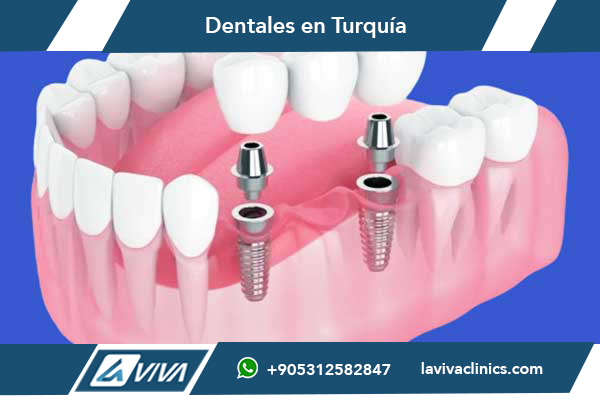
A dental implant is a small fixture, commonly made from titanium, that is placed in the jawbone to provide support for a replacement tooth or dental prosthesis. Over time, the implant may integrate with the surrounding bone through a biological process known as osseointegration.
For patients missing an entire arch of teeth, several implants can support a connected prosthesis. The appropriate design depends on bone volume, bite forces, gum health, medical history, the condition of the opposing jaw and the patient’s expectations.
Who May Need Full Mouth Dental Implant Treatment?
Full mouth implant rehabilitation may be considered when extensive tooth loss or severe dental damage affects the function and appearance of the teeth. A clinical examination is necessary to determine whether implants are appropriate.
Multiple Missing Teeth
People who have lost most of their teeth in one jaw or across both jaws may need a comprehensive replacement plan.
Unstable Dentures
Patients who experience movement, discomfort or difficulty chewing with removable dentures may wish to discuss implant-supported alternatives.
Severely Damaged Teeth
Extensive decay, fractures or advanced dental problems may make a full-mouth restorative assessment necessary.
Extensive Tooth Wear
Severe wear affecting several teeth may require a carefully planned reconstruction of the bite and dental function.
Having missing teeth does not automatically mean that every patient needs full mouth implants. Where some natural teeth remain healthy and restorable, preserving them may be preferable to removing them. Treatment recommendations should be based on individual clinical findings rather than a standard package.
Full Mouth Dental Implant Options
There is no single implant configuration suitable for every patient. The dentist considers the number and position of missing teeth, the available bone, the required prosthetic design and the forces expected during chewing.
1. Fixed Full-Arch Implant Bridges
A fixed full-arch bridge replaces a complete row of teeth and is attached to dental implants. It is designed to remain in place rather than being removed by the patient for daily cleaning. The number of implants and the shape of the bridge are determined during treatment planning.
2. All-on-4 Dental Implants
The All-on-4 approach uses four strategically positioned implants to support a full-arch prosthesis in selected cases. It may be considered when the clinical anatomy and prosthetic plan allow this configuration.
Read the dedicated guide: All-on-4 Dental Implants in Turkey.
3. All-on-6 Dental Implants
The All-on-6 approach uses six implants to support a full-arch restoration. Whether six implants are appropriate depends on bone anatomy, implant distribution, bite forces and the intended prosthesis. A higher implant count is not automatically better for every patient.
Read the dedicated guide: All-on-6 Dental Implants in Turkey.
4. Individual Implant-Supported Crowns and Bridges
Some patients need multiple individual implants or smaller implant-supported bridges instead of a single full-arch restoration. This may be appropriate when the remaining teeth, spacing, bone conditions and restorative requirements support a segmented treatment design.
5. Implant-Retained Removable Dentures
Not every patient requires a fixed bridge. An implant-retained overdenture is removable for cleaning and may use implants to improve retention and stability compared with a conventional denture. It is a different treatment option and should be discussed separately with the dentist.
Full Mouth Implants for Both Upper and Lower Jaws
When a patient needs replacement teeth in both jaws, the upper and lower arches must be planned as one coordinated restorative case. The dentist needs to assess how the two arches meet, how the patient bites, and how the final teeth will function together.
The upper jaw and lower jaw do not always have the same bone conditions. Bone density, available volume, sinus anatomy in the upper jaw, and the position of important anatomical structures can influence implant placement.
A full-mouth plan may therefore use different implant configurations for each arch. For example, the clinician may recommend one approach for the upper jaw and another for the lower jaw, depending on the examination and imaging.
All-on-4 vs All-on-6 for Full Mouth Restoration
All-on-4 and All-on-6 are two possible approaches to supporting a fixed full-arch bridge. They are not interchangeable in every case, and the choice should not be made based on implant count or price alone.
| Consideration | All-on-4 | All-on-6 |
|---|---|---|
| Implant configuration | Four implants per treated arch | Six implants per treated arch |
| Prosthetic purpose | Supports a full-arch restoration | Supports a full-arch restoration |
| Planning factors | Bone anatomy, implant distribution and bite forces | Bone availability, implant distribution and prosthetic design |
| Suitability | Depends on individual clinical assessment | Depends on individual clinical assessment |
| Final decision | Made after examination, imaging and restorative planning | |
For a detailed explanation of each method, visit our guides to All-on-4 and All-on-6 dental implants.
How Is a Full Mouth Dental Implant Treatment Planned?
Successful full mouth rehabilitation starts with diagnosis and planning. Before recommending surgery, the dental team needs to understand the patient’s oral health, general medical history and restorative needs.
Clinical Examination
The dentist examines the teeth, gums, bite, existing restorations and oral tissues. Any remaining natural teeth are assessed to determine whether they can be preserved or need further treatment.
Dental Imaging and Bone Assessment
Dental X-rays and, when clinically indicated, a cone beam computed tomography scan (CBCT) can help assess bone dimensions and important anatomical structures. Imaging supports the evaluation of possible implant positions and any additional procedures that may be required.
Medical History Review
Medical conditions, medications, smoking, previous surgeries and other health factors can influence implant treatment and healing. Patients should provide accurate information and discuss any relevant medical concerns with the treating clinician.
Prosthetic and Bite Planning
The final teeth should be planned alongside the implants. The dentist considers tooth position, appearance, speech, cleaning access, bite relationships and the materials intended for the restoration.
Written Treatment Plan
Before treatment begins, patients should receive a clear explanation of the proposed procedures, the expected stages, the provisional and final restorations, the estimated costs and any possible additional treatment.
Bone Grafting and Sinus Lift: Are They Always Necessary?
Some patients who have been missing teeth for a long time may have reduced jawbone volume. Bone can change after tooth loss, and the amount of available bone may affect the position and type of implants that can be considered.
Depending on the location and extent of bone deficiency, additional procedures may be discussed. These can include:
- Bone grafting: A procedure intended to rebuild or augment areas with insufficient bone volume.
- Sinus lift: A procedure that may be considered in selected upper-jaw cases when the available bone height near the sinus is limited.
- Alternative implant planning: The clinician may consider other implant positions or treatment designs depending on the anatomy.
These procedures are not required for every patient. Their necessity can only be determined after clinical examination and appropriate imaging.
Temporary Teeth vs Final Teeth
One important part of full mouth implant treatment is understanding the difference between temporary and final teeth.
Temporary Restoration
A provisional bridge or denture may be provided during the healing period when the clinical situation allows. It helps maintain appearance and may provide limited function while the implants heal.
Final Restoration
The definitive bridge is designed after the clinician has assessed healing and implant stability. It is made according to the planned bite, appearance, material and functional requirements.
Immediate temporary teeth may be possible for selected patients, but they are not suitable for everyone. The decision depends on implant stability, bone conditions, medical factors and the clinician’s assessment. Temporary teeth should not be confused with the final prosthesis.
How Long Does Full Mouth Dental Implant Treatment Take?
The total treatment timeline varies considerably. Some patients can receive implants and a provisional restoration during an initial treatment visit, while others need additional procedures or a staged approach.
Healing and osseointegration take time. The final restoration is usually fitted after the clinician has assessed the healing process and confirmed that the implants are ready to support it.
Factors that can affect the timeline include:
- The number of implants and arches being treated.
- The amount and quality of available jawbone.
- Whether bone grafting or a sinus lift is required.
- Gum health and any necessary preliminary treatment.
- Medical conditions and individual healing response.
- The design and fabrication of the final prosthesis.
How Much Do Full Mouth Dental Implants Cost in Turkey?
The cost of full mouth dental implants in Turkey depends on the treatment required, the number of implants, the implant system, the prosthetic materials and whether additional procedures are necessary.
A treatment plan for one dental arch is different from a plan that restores both the upper and lower jaws. The total estimate may also change if the patient needs extractions, bone grafting, a sinus lift, temporary teeth or other preparatory procedures.
What Can Affect the Final Cost?
- Whether one arch or both arches are being restored.
- The number and type of implants required.
- The implant manufacturer and component selection.
- The material and design of the final bridge.
- Additional surgical or restorative procedures.
- Diagnostic imaging, laboratory work and follow-up arrangements.
For a dedicated breakdown of implant treatment costs, visit our page: How Much Do Dental Implants Cost in Turkey?
Patients should request an itemised written estimate that explains what is included and what may be charged separately. A price should not be considered a confirmed treatment quote until the clinical assessment has been completed.
Recovery After Full Mouth Dental Implant Surgery
Recovery differs between patients and depends on the complexity of surgery and any additional procedures. Swelling, tenderness, minor bleeding and bruising can occur after implant surgery. The treating clinician should explain what to expect and how to manage the recovery period.
General post-operative guidance may include:
- Follow the medication instructions provided by the treating clinician.
- Choose suitable soft foods during the initial recovery period.
- Avoid putting excessive pressure on the healing area.
- Maintain oral hygiene according to the clinic’s instructions.
- Avoid smoking, particularly during healing, and discuss cessation support if needed.
- Attend scheduled reviews and contact the clinic if symptoms worsen or concerns develop.
Severe or increasing pain, persistent bleeding, fever, significant swelling or other unexpected symptoms should be discussed promptly with a healthcare professional.
Long-Term Care for Full Mouth Implant Bridges
Dental implants do not develop tooth decay in the same way as natural teeth, but the surrounding gums and supporting bone still need care. Plaque accumulation and inflammation around implants can lead to complications, including peri-implant disease.
Long-term maintenance is an essential part of implant treatment. Patients should:
- Brush carefully around the bridge and gum line.
- Use interdental brushes, floss or other cleaning aids recommended by the dentist.
- Attend professional maintenance appointments at the recommended intervals.
- Have the implant-supported bridge and bite checked regularly.
- Seek advice if the bridge feels loose, the bite changes or the gums become swollen or bleed.
Cleaning beneath a fixed full-arch bridge may require specific tools and techniques. Ask the dental team to demonstrate the correct method before leaving the clinic.
Potential Risks and Considerations
As with any surgical procedure, dental implant treatment carries potential risks. These may include infection, bleeding, swelling, discomfort, failure of an implant to integrate with the bone, damage to nearby anatomical structures and complications affecting the final prosthesis.
Long-term complications can include inflammation around implants, bone loss, screw loosening, chipping or wear of prosthetic materials and changes in the bite. The likelihood and type of risk depend on the patient’s health, anatomy, oral hygiene, treatment design and maintenance.
A responsible treatment discussion should cover the benefits, limitations, alternatives and risks relevant to the individual patient. No clinic can guarantee that every implant will succeed or that complications will never occur.
How to Choose a Dental Clinic in Turkey for Full Mouth Implants
Choosing a clinic for extensive dental implant treatment requires more than comparing advertised prices. Patients should understand who will assess and perform each part of the treatment and how the clinic manages follow-up care.
Before making a decision, consider asking:
- Who will carry out the examination, implant surgery and prosthetic treatment?
- Will I receive a written diagnosis and treatment plan?
- Can I review my imaging and understand why the proposed implant positions were selected?
- Which implant system and prosthetic materials are included in the quotation?
- Are temporary and final teeth both included, and what is the expected timeline for each?
- What additional procedures might be needed, and how would they affect the estimate?
- What follow-up and maintenance arrangements are available after I return home?
- Who should I contact if I experience a problem after treatment?
Ask for clear documentation of the implant system, components, prosthetic materials and treatment stages. You should have enough information to compare treatment plans on a like-for-like basis.
Full Mouth Dental Implant Treatment at Laviva Clinics
Laviva Clinics in Istanbul provides dental treatment consultations for international patients considering implant-based rehabilitation. Each full mouth case should begin with an individual assessment of the teeth, gums, jawbone, bite and medical history.
The proposed treatment plan should explain whether one or both arches need restoration, which implant-supported options may be appropriate, whether additional procedures are required and how temporary and final teeth will be managed.
Patients can share available dental records and imaging for an initial discussion. Any preliminary opinion or estimate must be confirmed following the appropriate clinical examination and diagnostic assessment.
Learn more about our dental implant services in Turkey or read our guide to getting dental implants in Turkey.
Frequently Asked Questions About Full Mouth Dental Implants in Turkey
What are full mouth dental implants?
Full mouth dental implants are a treatment approach for replacing most or all missing teeth in one or both jaws. Depending on the patient’s needs, the restoration may use individual implant-supported teeth, bridges or a fixed full-arch prosthesis supported by several implants.
How many implants are needed for a full mouth restoration?
There is no fixed number for every patient. The required number depends on the treatment design, jaw anatomy, bone availability, bite forces and the type of prosthesis. A dentist must assess the case before recommending an implant configuration.
Can I replace both upper and lower teeth with dental implants?
Yes, both arches can be restored with implant-supported teeth when the patient is clinically suitable. Each jaw needs to be assessed, and the upper and lower restorations must be planned together to achieve an appropriate bite.
Are All-on-4 and All-on-6 full mouth dental implant treatments?
All-on-4 and All-on-6 are techniques that can be used to support a full-arch restoration. They may be used for one arch or as part of a plan involving both jaws. The appropriate method depends on the clinical findings.
Is All-on-6 always better than All-on-4?
No. Six implants are not automatically better for every patient. The choice depends on bone conditions, implant distribution, prosthetic design, bite forces and the clinician’s assessment.
Can I receive temporary teeth on the same day as implant surgery?
Some patients may qualify for an immediate provisional restoration, but this is not appropriate in every case. Implant stability, bone conditions and other clinical factors determine whether immediate temporary teeth can be provided safely.
How long does full mouth dental implant treatment take?
The timeline varies according to the number of implants, healing requirements, bone grafting needs and the type of final restoration. Some patients require more than one visit, and the final bridge may be fitted only after the clinician confirms adequate healing and implant stability.
Do I need bone grafting before full mouth implants?
Not necessarily. Bone grafting is considered when the available bone is insufficient for the planned implant placement. Dental imaging and clinical assessment help determine whether grafting or another approach is appropriate.
How much do full mouth dental implants cost in Turkey?
The cost depends on whether one or both jaws are treated, the number and type of implants, the final prosthetic material and any additional procedures. A personalised written estimate should be provided after clinical evaluation. See our dental implant cost guide for more information.
Can I travel to Turkey for full mouth dental implant treatment?
International patients may travel to Turkey for assessment and implant treatment. Before booking, discuss the proposed stages, the number of visits, the expected healing period and the follow-up arrangements with the treating clinic.
How do I clean a fixed full-arch implant bridge?
Daily cleaning around the bridge and beneath its accessible areas is important. The dentist or hygienist should demonstrate suitable brushes and cleaning aids and recommend a professional maintenance schedule.
Are full mouth dental implants suitable for everyone?
No. General health, medications, gum condition, bone availability, smoking and other factors can affect suitability. A qualified dental professional must evaluate the patient’s individual circumstances before recommending treatment.
Discuss Your Full Mouth Dental Implant Options
If you are considering full mouth dental implants in Turkey, you can contact Laviva Clinics to discuss your dental concerns and the records needed for an initial assessment.
A personalised treatment recommendation and cost estimate can be discussed after reviewing your case. The final plan is subject to clinical examination.
Contact Laviva Clinics on WhatsAppMedical information: This page is for general educational purposes and does not replace an examination, diagnosis or personalised advice from a qualified dental professional. Treatment options, risks and expected timelines vary between patients.




2 Comments